Heavy load & shock
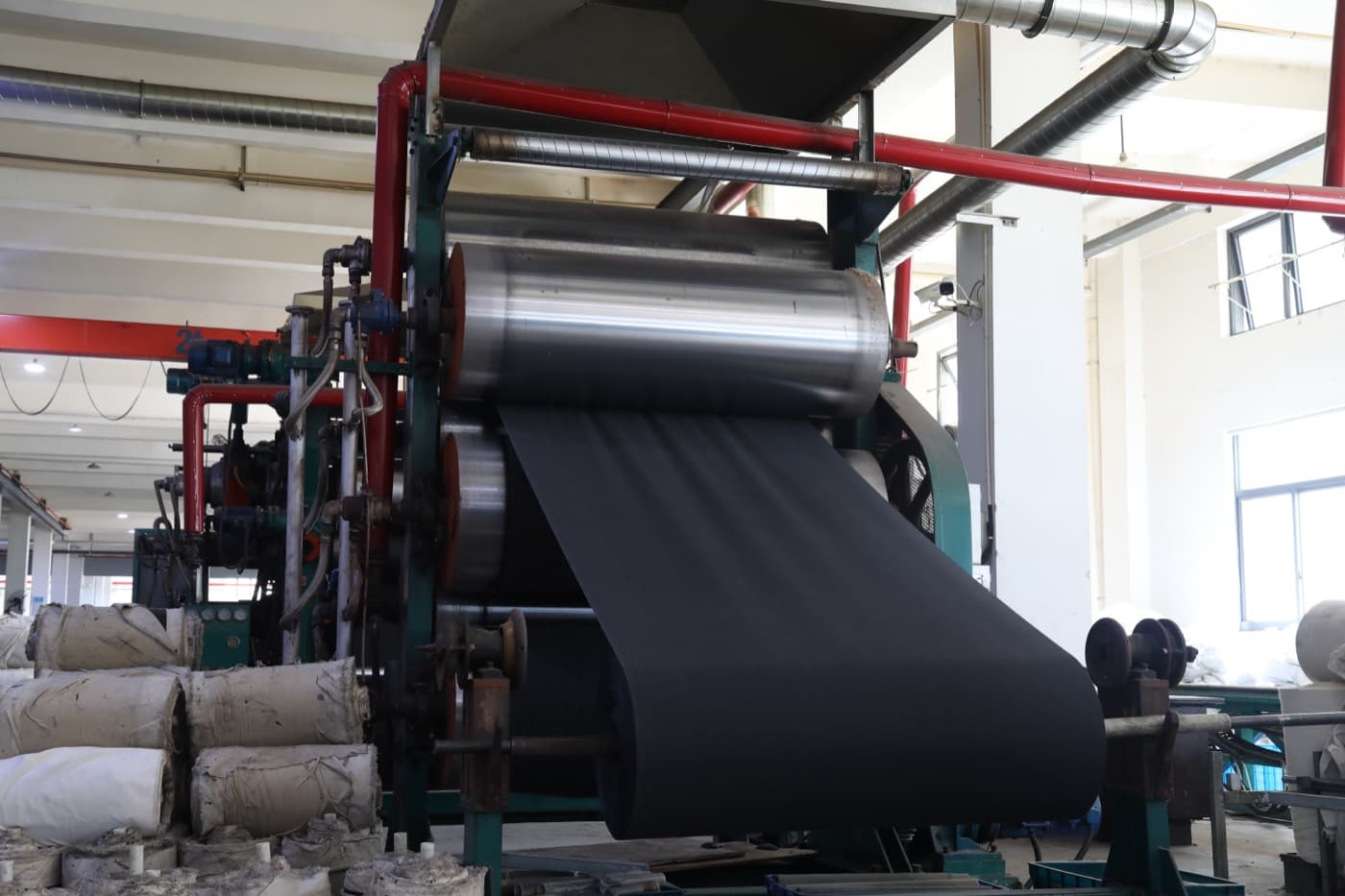
Stronger cords, appropriate rubber compounds, and ribbed layouts that survive starts/stops and peak torque without premature wear.
Selection Focus
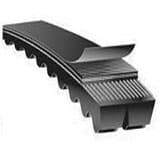
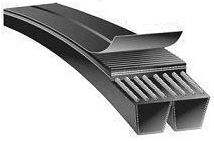
Recommended product families
These products are the closest starting point for this operating condition. Final selection still depends on pulley geometry, length, width, and service environment.
- Focus on shock resistance, cord strength, and lateral stability under start-stop duty.
- Confirm if the drive needs banded, wedge, or variable-speed agricultural construction.
- Share load peaks, driven inertia, and pulley alignment risk early in RFQ.
Recommended Product Directions
Products
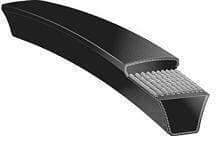
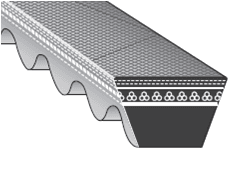
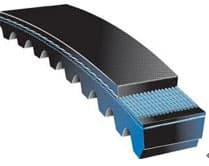
These product families are the most relevant starting points for this operating condition. Final selection still depends on structure, dimensions, and real working data.
Solution FAQ
Use these quick checks to decide when to keep browsing and when to move the case into RFQ.
What should be checked first in this operating condition?
Focus on shock resistance, cord strength, and lateral stability under start-stop duty.
When is RFQ better than continuing to browse?
Share load peaks, driven inertia, and pulley alignment risk early in RFQ. These products are the closest starting point for this operating condition. Final selection still depends on pulley geometry, length, width, and service environment.
What inputs make the review faster?
Stronger cords, appropriate rubber compounds, and ribbed layouts that survive starts/stops and peak torque without premature wear. Confirm if the drive needs banded, wedge, or variable-speed agricultural construction.
Send RFQ
Need help turning this condition into a belt recommendation?
Send the machine, speed, load, pulley data, and current reference so the team can move from operating condition to an actual belt path.