High-speed drives
Balancing centrifugal effects, tension decay, and heat generation. We review pulley diameter, minimum tooth engagement, and material choices for stable runs.
Selection Focus
Recommended product families
These products are the closest starting point for this operating condition. Final selection still depends on pulley geometry, length, width, and service environment.
- Prioritize low heat build-up, stable cord behavior, and good dynamic balance at speed.
- Confirm pulley diameter, wrap angle, and whether the drive is frictional or synchronous.
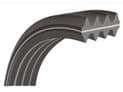
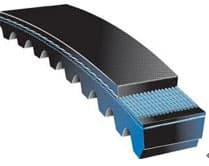
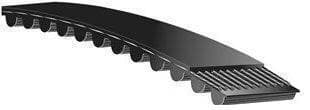
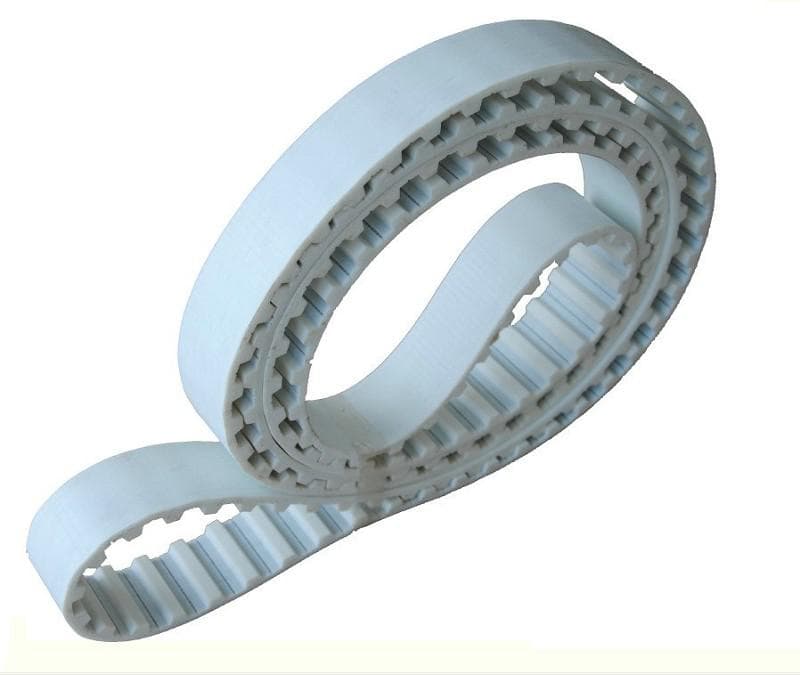
- Check if the layout benefits more from Poly-V, raw-edge wedge, or PU flex timing construction.
Recommended Product Directions
Products
These product families are the most relevant starting points for this operating condition. Final selection still depends on structure, dimensions, and real working data.

Solution FAQ
Use these quick checks to decide when to keep browsing and when to move the case into RFQ.
What should be checked first in this operating condition?
Prioritize low heat build-up, stable cord behavior, and good dynamic balance at speed.
When is RFQ better than continuing to browse?
Check if the layout benefits more from Poly-V, raw-edge wedge, or PU flex timing construction. These products are the closest starting point for this operating condition. Final selection still depends on pulley geometry, length, width, and service environment.
What inputs make the review faster?
Balancing centrifugal effects, tension decay, and heat generation. We review pulley diameter, minimum tooth engagement, and material choices for stable runs. Confirm pulley diameter, wrap angle, and whether the drive is frictional or synchronous.
Send RFQ
Need help turning this condition into a belt recommendation?
Send the machine, speed, load, pulley data, and current reference so the team can move from operating condition to an actual belt path.