P1 P2 P3 P4
PU FLAT BELTS
PU FLAT BELTS
Category
Special Construction
Series
PU Open Flat Belts
Product Overview
- • Whether this series matches the machine family you are sourcing for.
- • What structure or profile data should be checked before RFQ.
- • When to stop browsing and send the project for technical review.
Ready for technical review
Send marking photos, pulley sizes, speed/load, and annual demand. We will reply with a practical replacement or sourcing path.
- • Belt marking or sample photo
- • Pulley diameter and tooth/profile data
- • Target quantity and delivery expectation
Overview
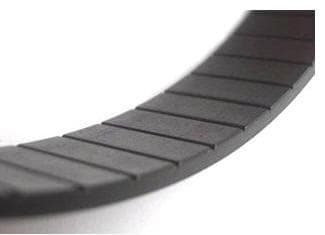
The flat, coated-steel belt eliminates the metal-to-metal effect of conventional systems. Coupled with a smooth-surface crowned machine sheave, the result is exceptionally quiet operation and superior ride comfort. Furthermore, the flexible flat belt enables a more compact, energy-efficient machine, which can be contained in the hoist way. This reduces building and system operating costs, and frees up valuable space.
Long-lasting flat belts, smooth, crowned sheaves and minimal moving parts in the gearless machine dramatically reduce wear and increase durability and efficiency. It continually monitors the status of the belts' steel cords. Unlike visual inspections of conventional steel ropes, the Pulse system automatically detects and reports belt faults to maintenance personnel for rapid response, providing owners with greater peace of mind.
Protecting the environment Neither the belt nor the gearless machine, with its permanently sealed bearings, requires any lubrication so the it is cleaner for the environment. The highly efficient gearless machine with its permanent-magnet synchronous motor reduces power consumption by as much as 50 percent over conventional geared machines and 15 percent over other machines with permanent-magnet motors of axial construction.
P1 P2 P3 P4 types available
Standards & Dimensions
Proceed with RFQ
When you submit the inquiry, keep the model or section reference shown on this page, then add pulley data, machine type, length basis, and quantity target.
For OEM/private label inquiries, please send belt model, size, quantity, target brand requirement and packing preference.